The
Place

Understanding
Charmail's Terroir

To understand Charmail, you must first locate it:

France
Bordeaux
Haut-Médoc

We are part of Bordeaux, a region shaped by the meeting of land and water. The Garonne and Dordogne rivers flow together to form the Gironde estuary, whose light, winds, and tides influence every vineyard along its banks. Here, a mix of gravel, clay, and limestone soils gives depth and harmony to the wines. Bordeaux is our wider home, and the foundation of our identity.

Explore Bordeaux <

Our estate lies in the Haut-Médoc, along the Left Bank of the Gironde. This stretch of land includes the famous villages of Margaux, Saint-Julien, Pauillac, and Saint-Estèphe, but also places like our own Saint-Seurin-de-Cadourne. The Haut-Médoc’s gravel ridges and oceanic climate are ideal for Cabernet Sauvignon and Merlot, producing wines that are both structured and refined. This landscape, both wild and precise, is the heart of our work.

Explore Haut-Médoc <

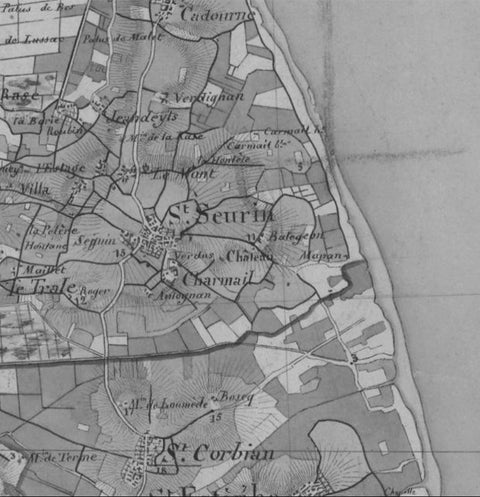
Our home is Saint-Seurin-de-Cadourne, overlooking the Gironde River. Charmail spans 55 hectares of vines in one single, continuous block, an exceptional feature in the Médoc. This land has been known since the 16th century for its gravel terroir and its ability to produce wines of elegance and balance. Long before the 1855 Classification, Saint-Seurin was already recognized as a Premier Cru by the Intendant de Guyenne in the 1740s : a quiet acknowledgment of the natural quality of our soils.

Restart tour <
Soil map
Grape Varieties map
Soil Types
Medium clayey gravel
Silty-sandy
Clayey gravel
Sandy-silty + organic
Predominantly clay
Sandy-silty

Charmail’s vineyard is planted like a mosaic. Each grape variety is matched to its ideal soil:

Cabernet Sauvignon

It thrives on the estate’s highest and driest slopes, made up of silicate gravel from the Pyrenees, which gives the wine structure and verticality.

Merlot

It shows its best expression on red clay colluvium soils rich in iron, bringing freshness and savory depth.

Cabernet Franc & Petit Verdot

They are planted on cooler, finer silty-sandy soils that add aromatic nuance and texture.

This careful harmony between soil and variety gives Charmail its distinctive style: structured yet fresh, precise yet full of character. Few estates in the Médoc offer such soil diversity within a single, unified vineyard.

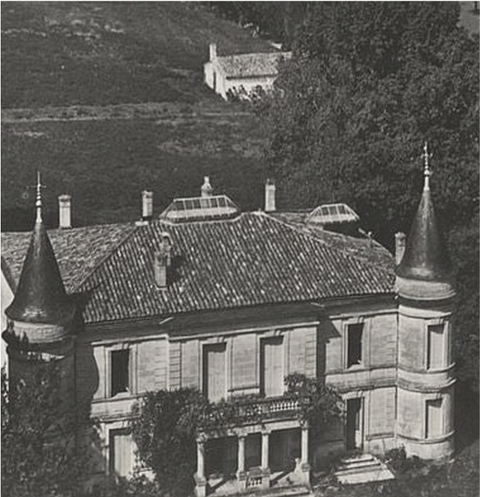
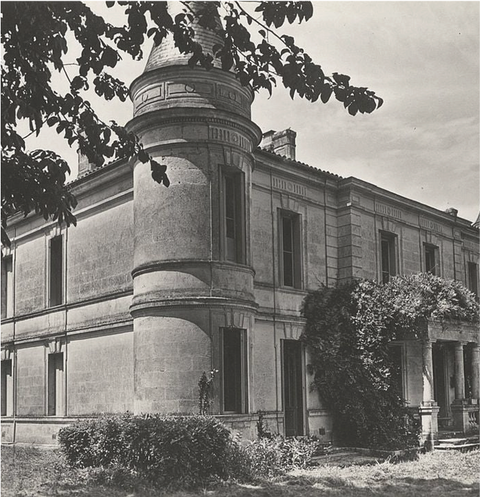
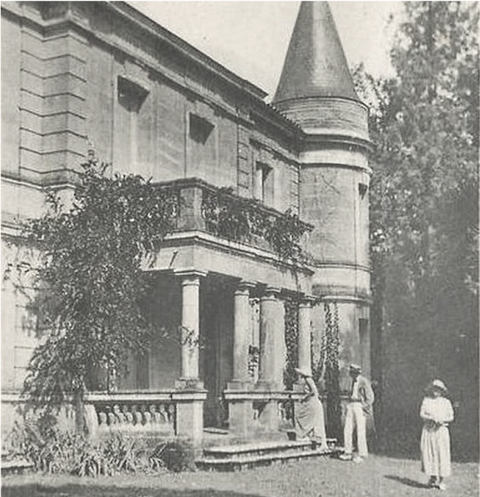
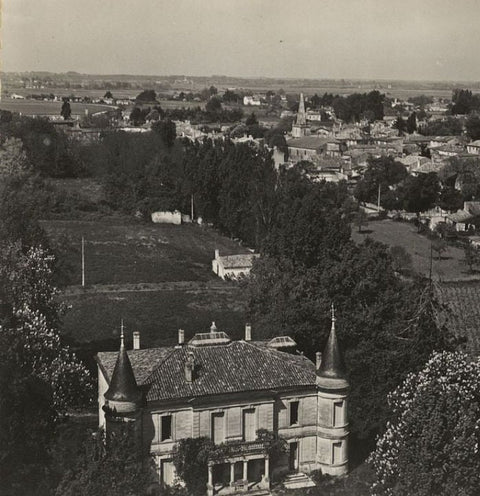
At the center of the estate stands an 18th-century château. Modest and elegant, it embodies Charmail’s identity, anchored in history, defined by care, and dedicated to continuity.

Two Châteaux, One Legacy

Château Charmail is defined by not one, but two historic residences.

The 19th-Century Château (built in 1865)

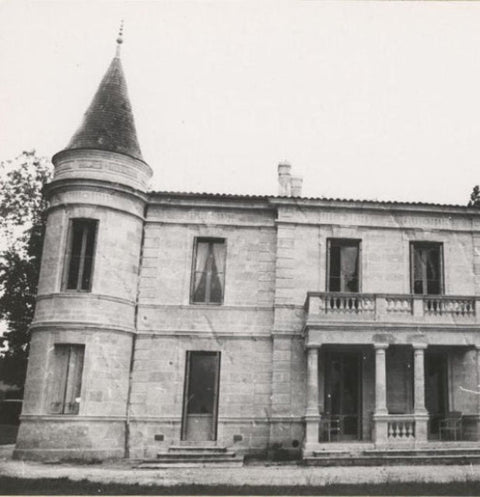
The first, and the one featured on our label today, is the 19th-century château built in 1865 by M. Boyer of the Verdus estate. Elegant and architectural, it stands out for its cut-stone façade, perfectly balanced symmetry, refined details, and turreted wings. Inside, its high ceilings and finely crafted woodwork recall a time of thoughtful design and classical Bordeaux charm. It remains the visual heart of Charmail and a symbol of its modern era.

The 13th-Century Bardis

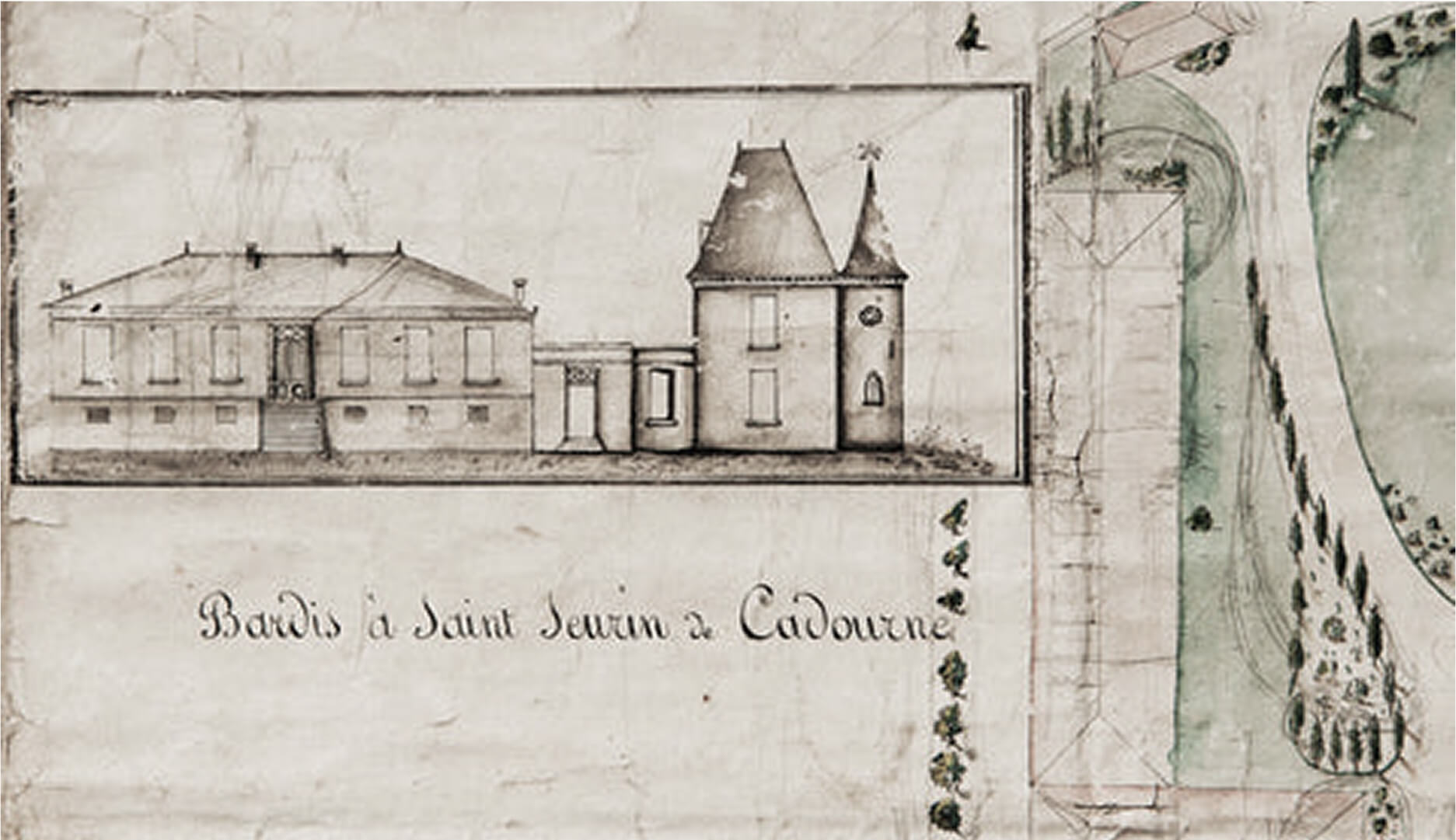
The second, far older residence is the Domaine de Bardis, now affectionately known as La Chartreuse de Charmail. Dating back to the 13th century, this noble estate was once the seat of the Trevey de Charmail family and a cornerstone of local winegrowing history. Passed down through generations of Médoc families, it has seen both moments of prosperity and times of quiet.

In 2021, with the arrival of the Goudet-Liquard family and in partnership with Bernard d’Halluin, a new chapter of renewal began. La Chartreuse de Charmail is being carefully revived, with its original beams, doors, and stonework preserved, and its spaces reimagined as a warm and welcoming place, dedicated to sharing, encounters, and the art of hospitality.

This story of Bardis is one of continuity and renewal. It is more than a historic residence. It captures the spirit of Charmail, a living estate rooted in its past and open to the world. Here, heritage and hospitality come together to shape its future.